
MAT Consultancy — Income & Marketing at Trust Scale
Multi-academy trusts face income and reputation decisions at a different scale — and MAT consultancy from someone who has sat in school leadership makes them tractable. Justin Smith helps trusts build trust-wide income generation, centralise bid pipelines and strengthen marketing across every school — personally, never through a team.
Key takeaways
- Trust-scale advantage is real: a shared income strategy across schools unlocks far more than each school acting alone.
- Academy trust income generation spans grants, sponsorship, lettings and Gift Aid — coordinated centrally, delivered locally.
- Marketing at trust level means a brand that adds value without flattening each school's identity.
- Proof at scale: GLF Schools' fundraising project and Solent Academies Trust's in-house capability build.
- Bespoke trust sessions from £1,250 + VAT (from 5 delegates); consultancy scoped to your structure.
- The model is capability transfer: your central team ends the engagement running the system themselves.
What Trust-Level Support Covers
Five areas where central teams get the most leverage — each deliverable standalone, strongest together.
Why do trusts underclaim? Rarely through ignorance — through structure. Income generation sits with nobody: too operational for the CFO, too commercial for heads, too big for any single school office. Meanwhile each school runs its own ad-hoc fundraising, the trust's collective weight is never brought to a funder or sponsor, and the brand tells a different story on every website. The fix isn't heroics; it's architecture — decide where income and marketing live in the trust, resource them properly once, and let every school benefit.
Trust-Wide Income Strategy
One income plan across all schools: priorities by site, shared infrastructure, and a pipeline the central team owns. The trust version of income generation.
Centralised Bid Pipeline
Funder research, eligibility mapping and bid writing run centrally — including large capital projects from national funding bodies.
Brand & Marketing Architecture
A trust brand that supports rather than swallows each school — shared messaging, local voice, and admissions marketing where rolls need defending.
Central Team Capability
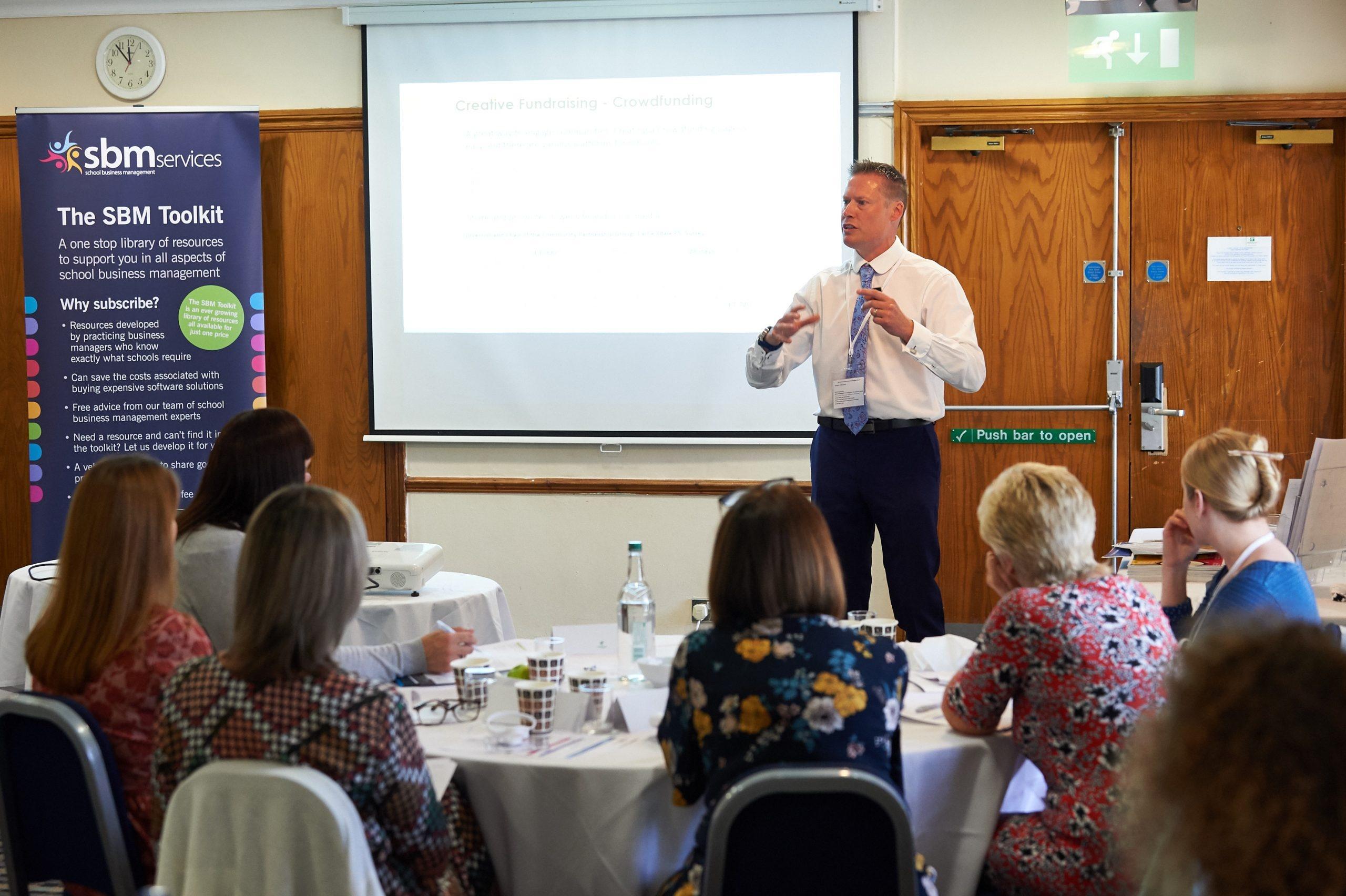
Training the trust's own people to run income and marketing — masterclasses delivered trust-wide, the Solent model.
Partnerships at Scale
Corporate sponsorship, community anchors and cross-school lettings — relationships one school can't sustain, a trust can.
Engagements Built Around Trust Reality
CEOs, CFOs and COOs buy outcomes, not day rates — so every engagement starts by defining what the board needs to see change. You work directly with Justin throughout; fees are flexible and agreed up front. Start the conversation.
A typical first 90 days: weeks 1–3, the review — every school's income position, bid history and brand presence mapped; weeks 4–6, the roadmap — priorities agreed with the executive team and a board-ready paper drafted; weeks 7–12, first delivery — the two highest-value opportunities actioned (often a capital bid and a trust-wide lettings or sponsorship framework) while the central team is trained alongside. By the end of the quarter the trust owns a working system, not a report.
Trust Income Review
A clear-eyed audit across every school: income streams running, missing and underperforming — reported at board level with a prioritised roadmap.
Trust Fundraising Road Map
The flagship deliverable, at scale: which streams, which schools, in what order — with owners, timelines and realistic first-year targets.
Leadership & Away-Days
Sessions for executive teams, heads' groups and governors — from a keynote provocation to a working strategy day. Bespoke sessions from £1,250 + VAT.
Ongoing Trust Support
A standing arrangement for trusts that want the capability embedded: regular reviews, bid support on demand, and a specialist on call.
Trusts That Have Done It
Trust references with named contacts are available for procurement — and because the sector talks, the fastest due diligence is often a phone call to a trust that's already done this. Outcomes vary by trust, structure and commitment.
A significant fundraising project with one of the country's larger trusts — benefiting thousands of children across its schools.
"Thanks to the training sessions and ongoing advice, I now have a good understanding…" — Karen Frost, Company Secretary & Fundraising Manager. Capability built in-house.
The single-school track record that trust engagements scale up from.
No guarantees implied — outcomes vary by school, funder and project.
MAT Consultancy: FAQs
How is trust-level work different from single-school support?
Scale changes the economics: shared funder research serves every school at once, central sponsorship conversations carry more weight, and one trained central team replaces ad-hoc effort in each school. The strategy also has to respect each school's identity — central capability, local voice.
We're mid-growth — is this the right time?
Growth phases are exactly when income and brand architecture get set, deliberately or by accident. A short review during growth costs little and prevents each new school inventing its own approach.
Can you work through our procurement process?
Yes — clear scopes, referenceable outcomes and named-contact case studies make due diligence straightforward. Ask for whatever your framework needs.
What does trust consultancy cost?
Scoped to your structure and ambition — a review for a three-school trust is very different from a year alongside a fifteen-school central team. Bespoke training sessions start at £1,250 + VAT (from five delegates); consultancy is quoted after a free conversation.
Does one person really scale to a large trust?
The model is capability transfer, not dependency: Justin builds the strategy and trains your people to run it — which is precisely what a lean central team needs. Where volume work is required, he'll say so honestly and help you resource it.
Which schools should a trust prioritise?
Usually not the neediest first — the readiest first. Early wins in schools with capacity and a clear project build the internal case; the model then carries the harder sites. The review makes that sequencing explicit rather than political.
How does this interact with school-level autonomy?
Deliberately gently. Central strategy sets the framework — funder relationships, brand architecture, shared systems — while schools keep their own stories and local decisions. The trusts that get this right treat central income capability as a service to schools, not a control on them.
Do you work with dioceses and federations too?
Yes — the same trust-scale logic applies to diocesan families of schools and federations: shared funder relationships, coordinated bids and a brand architecture that respects each school's character.
Talk Trust-to-Practitioner
A straightforward conversation about your trust's income and reputation position — what's realistic, what's in the way, and where to start.